Ultimate Human Freedom
Reflections on Man’s Search for Meaning by Viktor Frankl
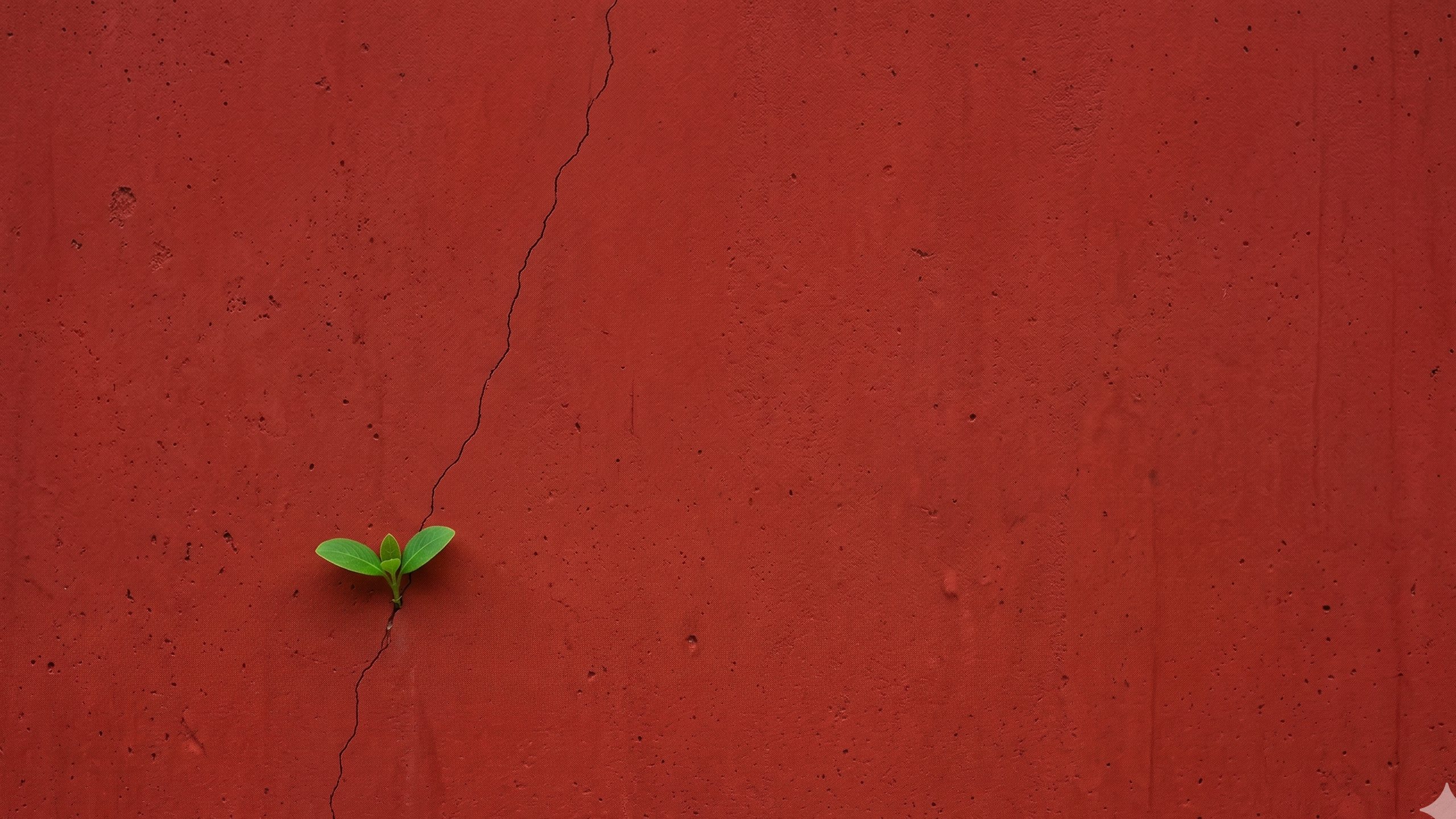
Reclaim “Choice” Inside Constraint
flowchart TD
  classDef wall fill:#fee2e2,stroke:#ef4444,color:#7f1d1d
  classDef free fill:#ecfdf5,stroke:#10b981,stroke-width:2px,color:#064e3b
  classDef act fill:#eff6ff,stroke:#3b82f6,color:#1e3a5f
  classDef core fill:#fefce8,stroke:#eab308,stroke-width:2px,color:#713f12

  CORNER[“Circumstances corner you”]:::wall

  subgraph STILL[“What remains”]
    C1[“Choose how to see it”]:::free
    C2[“Choose how to name the emotion”]:::free
    C3[“Choose how to respond”]:::free
  end

  CORNER --> STILL

  subgraph Q[“Three recalibration questions”]
    Q1[“What choices are still available?”]:::act
    Q2[“Which is more genuine?”]:::act
    Q3[“What is my why?”]:::act
  end

  STILL --> Q

  Q --> WHY[“He who has a why<br/>can bear almost any how”]:::core
  WHY --> FREE[“Real freedom: making meaningful<br/>choices inside constraint”]:::core
Hardship is unavoidable, but response is always a choice.
Real freedom isn’t the absence of constraint. It’s the ability to make a meaningful choice within constraint. This is also the ultimate freedom that cannot be taken away: a person can choose their attitude toward anything.
Why this matters
A lot of the time, external conditions corner people:
- things don’t go as imagined
- emotions get stuck
- resources are limited
Circumstance can constrain action, but one core remains:
- you can choose how you see it
- you can choose how you name your emotions
- you can choose how you respond next
Where meaning comes from
This also pulls “meaning” out of the need for control.
A more meaningful way to live isn’t trying harder or controlling more precisely. It’s being more genuine:
- closer to
valuesmeaning - less self-deception
- less internal friction
When life design returns to genuineness and meaning, a lot of loss naturally drops.
The practical use of Nietzsche’s line
Nietzsche’s line is practical:
He who has a why to live can bear almost any how.
Life’s difficulty doesn’t disappear, but the “why” becomes a pivot. Endurance stops being just gritting your teeth. It becomes a chosen, active resilience.
Three questions: take the wheel back
When you hit difficulty, use these three questions to recalibrate fast:
1) What choices are still available right now?
- switch the interpretation
- rename the emotion
- find a “minimum viable action”
2) Which choice is more genuine?
- not the prettiest
- but the one closest to
valuesmeaning, and most sincere
3) What is my “why”?
- what am I willing to bear this for?
One line to keep
Don’t start by asking how to fix it. Start by asking what I’ve already unconsciously chosen in this moment—and what else I can still choose.